
Fighting Period Poverty: Learn-to-Live School of Skills Launches Sustainable Pad Dispenser
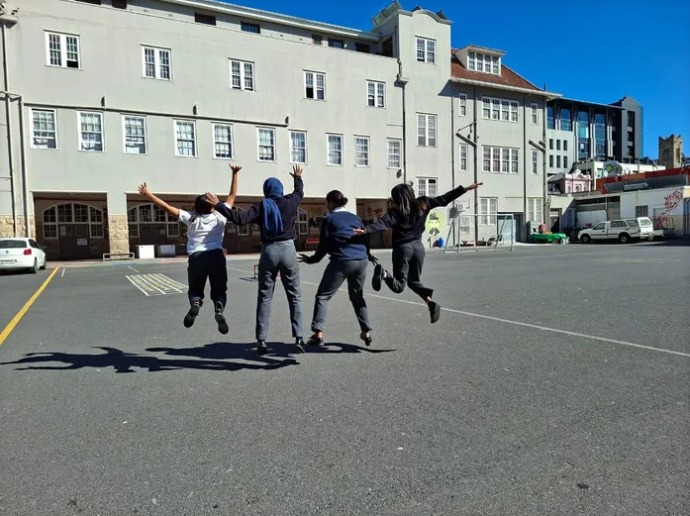
Period poverty is a silent crisis that forces vulnerable girls to miss school every month — deeply impacting their education, confidence, and dignity. At the Salesian Institute Youth Projects, we refuse to accept that any of our students should face this barrier. That is why we have partnered with the MENstruation Foundation to launch a sustainable solution — the installation of a sanitary pad dispensing machine at the Learn-to-Live School of Skills in Green Point. Learn-to-Live is a registered special needs school supporting pupils with disabilities and learning barriers. This initiative moves support beyond once-off pad donations toward a model that provides continuous, year-round access to essential menstrual products — because periods happen every month, and dignity must be consistent. Why This Matters In Cape Town’s most vulnerable communities, families are often forced to choose between hygiene and essential survival needs like food. The impact on school attendance, confidence, and participation is devastating. SIYP fundraising manager Jo Da Silva spoke plainly about what this campaign means. “Our girls and young women should never have to choose between dignity and survival. No girl should miss school because she cannot afford a pad. This campaign is about access, equality, and creating futures with dignity.” MENstruation Foundation founder Marius Basson echoed this conviction, noting that this sustainable approach “changes school attendance, confidence, participation and futures.” How You Can Help SIYP is actively campaigning to raise approximately R71,000 for the machine’s installation and maintenance. In a major boost, the MENstruation Foundation has pledged to subsidise the remaining balance if SIYP successfully raises around R50,000 from public and corporate support. The campaign’s success will secure a reliable support system, improving school attendance, reducing stigma, and empowering young women across our programmes. We are urgently calling on local corporations, donors, and the community to back the Pads, Power, and Progress campaign — and help ensure no pupil is ever left without access to essential menstrual hygiene products. 👉 Support the Pads, Power and Progress Campaign on BackaBuddy Read the original article as featured in the Atlantic Sun:👉 Fighting Period Poverty: Green Point School Launches Sustainable Pad Dispenser
Learn-to-Live School of Skills Takes on the World, And Helps Target 90% Youth Unemployment Reduction by 2030
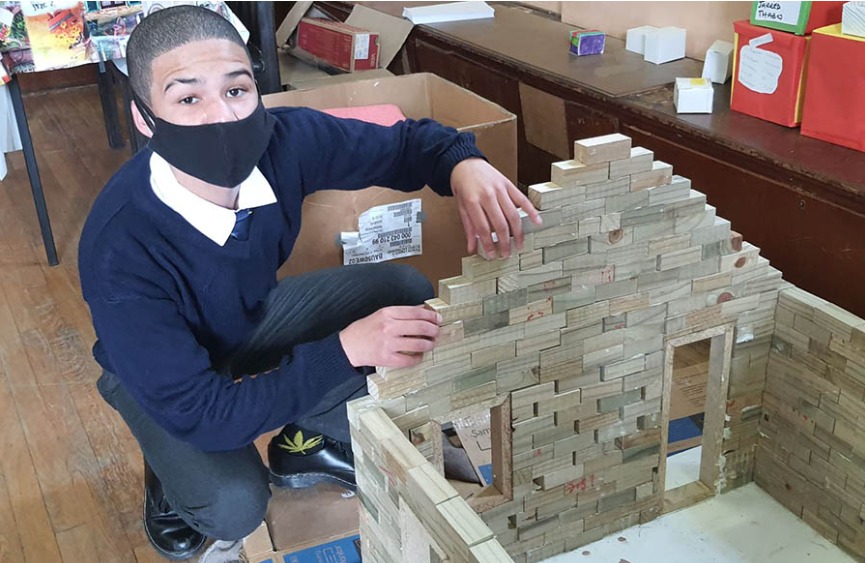
The Learn-to-Live School of Skills recently made its mark on the global education stage — and in doing so, positioned the Salesian Institute Youth Projects at the forefront of a national movement to tackle youth unemployment. The school was one of only seven South African institutions invited to speak at the first ever virtual World Education Week conference — a global event led by teachers, for teachers, where 100 schools from across the world were selected to share insights on learning in the 21st century. Learn-to-Live presented on their pioneering implementation of project-based learning (PBL) — a methodology that is now being championed by the Department of Basic Education as a national strategy. A National Target Introducing the concept at the conference was Dr Ria de Villiers from the National Department of Basic Education. The Department’s goal is to institutionalise project-based learning in all South African schools by 2022 — with the ambition of reducing youth unemployment by 90% by the year 2030. Learn-to-Live School of Skills is one of just a few schools currently participating in the pilot phase of this project — a remarkable recognition of the work being done at 2 Somerset Road, Green Point. Why Project-Based Learning Works The primary purpose behind project-based learning is that it encourages learners to think independently, communicate with clarity, manage impulsivity, take responsible actions, and apply past knowledge to new experiences as they explore real-world challenges in a dynamic classroom environment. The goal is the effective creation of better work habits and improved attitudes towards learning — resulting in the long-term retention of skills. Project-based learning unlocks 21st century competencies and solution-seeking mindsets, helping young people become employable, engaged, and entrepreneurial. What Our CEO Said Welcoming viewers to the talk, Fr Pat Naughton, then CEO of the Salesian Institute Youth Projects, spoke about what project-based learning has meant for their students. “I was convinced PBL was what we were looking for — and already our learners’ lives have been transformed. Discipline and attendance have improved and learning is taking place in a joyful ethos.” Watch The Full Presentation You can watch the full Learn-to-Live School of Skills presentation on our YouTube channel:👉 Watch Here Read the original article as featured on SA Good News:👉 Target: Reducing Youth Unemployment by 90% in Year 2030
Student Philiswa Nteya with Blanche McCarthy, programme assistant, and Heather Van Dieman, programme facilitator.
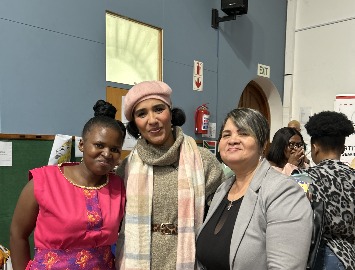
The People’s Post has reported on the latest cohort of graduates from the Salesian Institute Youth Projects’ Stitch Ahead Programme — 15 young people who have completed a four-month SETA-certified Garment Construction course and are now ready to stitch their way into the fashion and textile industry. The Stitch Ahead Programme equips young people aged 18 to 35 with practical skills in industrial sewing, garment construction, quality control, and pattern interpretation. The programme accommodates only 15 participants at a time, ensuring every student receives the individual attention they need to grow. More Than Just Sewing Heather van Dieman, lead facilitator of the Stitch Ahead Programme, spoke to the People’s Post about what makes the programme special. “To me, this programme is more than just teaching the young people. When the students complete the course, I stay in touch with them and follow up — I remain involved in their lives. The programme is beneficial because it opens doors to future learnerships.” The programme concludes with an incubation phase where participants design and develop their own products, encouraging creativity and entrepreneurship. Throughout the course, students also gain hands-on experience in product development, pricing strategies, marketing, and entrepreneurial thinking — equipping them with the skills to turn their creativity into careers. Through partnerships with businesses, some students are placed in learnership programmes to gain practical experience and earn a stipend. Students come from across Cape Town, including Manenberg, Hanover Park, Bonteheuwel, Langa, and Nyanga. A Life-Changing Experience For Thebakazi Sigwadi, 20, from Langa, the programme arrived at exactly the right moment. “I wanted to further my studies but unfortunately due to circumstances I could not. I heard about the Stitch Ahead programme and decided to join. Now that I am done with the programme and unemployed, I will start making clothing items.” She described how the programme helped her grow in both confidence and skill. “When I started the course, I was scared, but when I finished after the four months, I was happy. I have learned many things, especially how to work with different materials.” She now plans to use her new skills to give back to her community. “I am planning to make items for the youth choir at church so that everyone can wear the same outfit.” Want To Know More? Applications for new Stitch Ahead Programme cohorts are announced on our Facebook page. Follow us to stay up to date. Read the original article as featured in the People’s Post:👉 Cape Town Youth Gain Fashion Skills Through Stitch Ahead Programme
Transforming Lives: 15 Graduates Celebrate Success at Salesian Institute Youth Projects
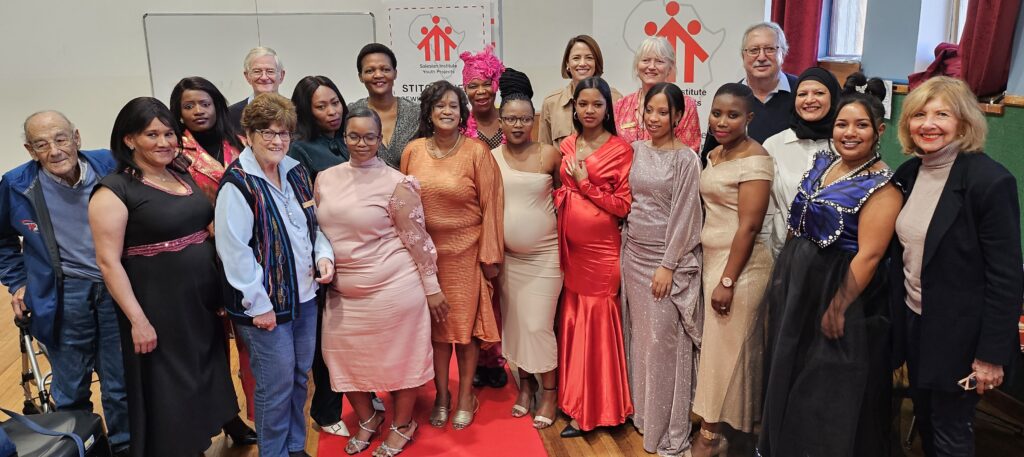
Fifteen young men and women have stitched their way to a certified future after graduating from the Salesian Institute Youth Projects’ four-month Stitch Ahead Programme. Their graduation on Friday, 29 May 2026, at the Institute in Green Point, celebrated their successful completion of a Sector Education and Training Authority (SETA) certified course in garment construction. In just four months, these young people combined technical proficiency with creativity — demonstrating that they are ready for both formal and informal employment in the textile sector. The graduates marked the occasion by showcasing a range of their own original products, proving that skill and artistry can be built in a remarkably short time when the right support is in place. The final month of the course focused on an incubation phase, where students developed their own sample products and pricing strategies — a crucial step in building entrepreneurial thinking alongside technical skill. Trained in the cut, make, and trim (CMT) methodology, graduates also received psychosocial support, intervention, and referral where needed — reflecting SIYP’s commitment to nurturing the whole person, not just the skill. Giving Back to the Community Beyond their own achievements, the graduates demonstrated a strong sense of citizenship. Despite often coming from challenging circumstances, they produced beanies, feeding cloths, and burping cloths for donation to the Christine Revell Children’s Home in Athlone — a remarkable act of generosity from young people who know what it means to need support. Thank You to Our Sponsors The Stitch Ahead Programme was made possible through the generous support of local and international funders, including The Mauerberger Foundation Fund and the Next Foundation from South Africa, as well as Missioni Don Bosco from Italy, The Van Kesteren Foundation from Switzerland, and Robert Knitt and Associates from Germany. To every sponsor, facilitator, and supporter who made this graduation possible — thank you. These 15 graduates are proof that investment in people always pays the highest return. Read the original article as featured in the Atlantic Sun:👉 Transforming Lives: 15 Graduates Celebrate Success at Salesian Institute Youth Projects